Staging · lab data on production accounts
borsisto
Sign in

Learn

borsisto's methodology: how we measure the borsistos, with its limits, and what we learned doing it. The terms are in the glossary.

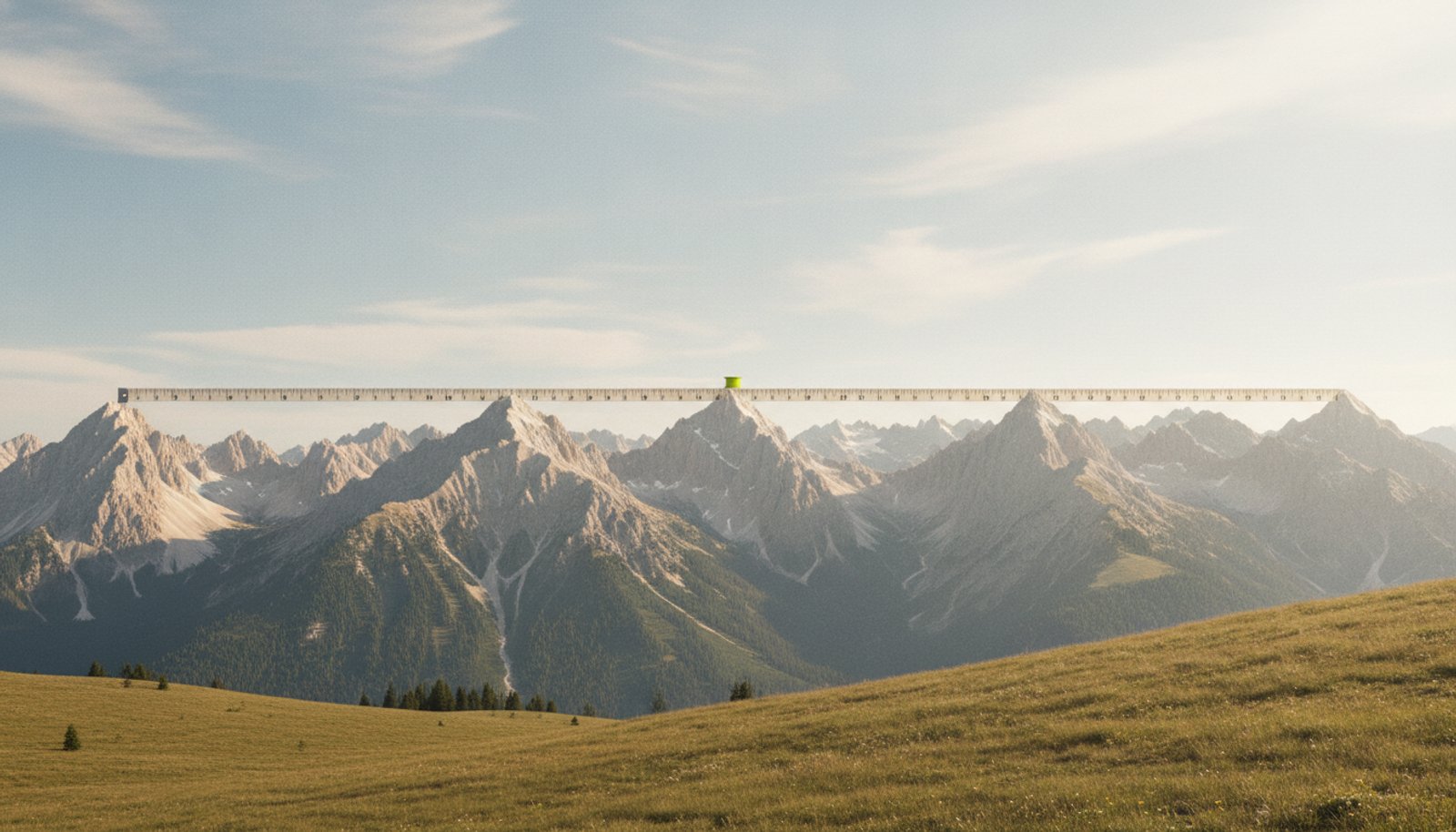
Identical small wooden boats, one per lane, on the same starting line of a running track, with a single measuring tape along the whole track.

How we measure the borsistos

The borsistos are virtual portfolio managers that trade at real prices and without real money. Every buy and sell pays a commission, they trade the day after they decide, cash earns what Treasury bills pay, and everyone is measured against the same index.


A glass funnel in a meadow: hundreds of wooden pieces of many shapes pour in, most end up outside in the grass, and only a few fall into the bowl below.

Where our borsistos come from

Our borsistos are virtual portfolio managers, and each one follows a real, fixed rule. Some invest the way many professionals do; others follow rules that came out of our testing lab.

Three empty frames on the same field, each showing different weather: a storm, a foggy morning, and a sunny day with a path that keeps going.

The periods in borsisto

Each borsisto has a single history, since 2001, and each period is a stretch of it up to today. "5 years" is how it did over those 5 years, with the positions it already held; not what it would have done if it had started that day.

Four doors in a meadow: one opens onto a pile of loose blocks, another onto a mirror, another is closed, and the fourth, open, onto a row of different figures, each with its own long path.

How we're different

borsisto is a collection of virtual portfolio managers, each with its rule, its history since 2001, over whatever period you want to look at. For an asset manager, it's something other than its own strategies, a model portfolio or a robo-advisor.

An airplane back from its flight, with patches only on the wings and tail, and the engines and cockpit untouched: the planes that came back show where a hit was not serious.

How we handle survivorship bias

If you look back only at the companies still standing today, you forget the ones that fell along the way. In borsisto the universe also includes the companies that stopped trading, and the Borsisto Index holds the ones that existed at each point in time.

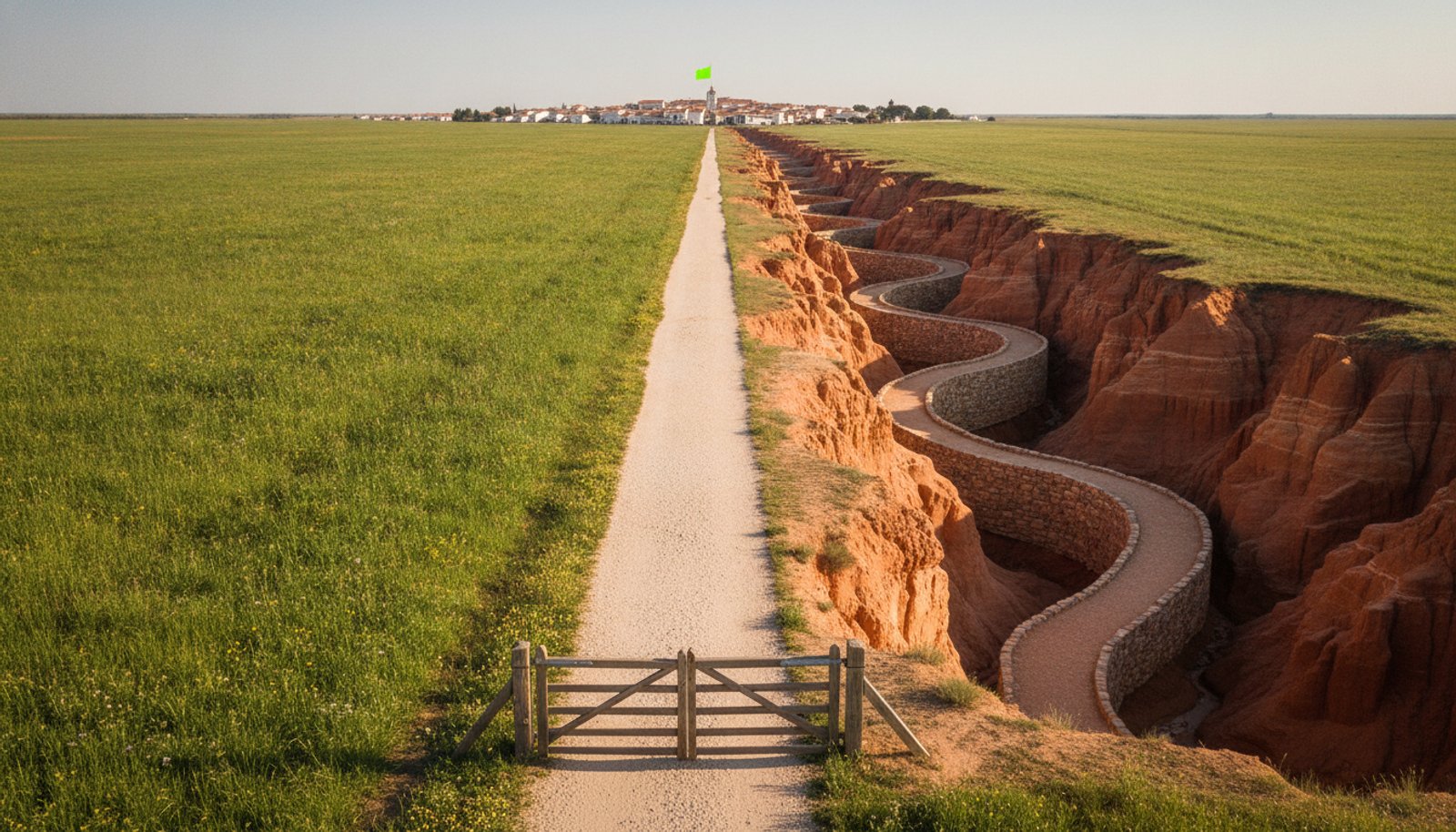
Two paths that leave the same gate and reach the same village: one straight across the meadow, the other down into a canyon and back up.

Gaining more isn't always better: return and risk

Each borsisto is measured with two numbers: how much it gained and how far it fell along the way. Gaining more while falling more isn't the same as gaining more while falling less. That's why in borsisto you always see the two together.

An antique balance: on one pan a stack of stones with a sprout on top, on the other an empty dark bowl. The balance tips toward the stones.

Gain per drop, or how much each scare pays

Gain per drop puts the two numbers we always show into one. It's the gain per year divided by the worst drop. A 2 means it gained 2% a year for every 1% it fell. Higher is better, and it's only compared within the same period.

A small greenhouse in an open field, with a plant growing safely inside. Its door is open, and outside a path leads away that you may take or not.

Simulation and reality

Everything in borsisto is simulated. The borsistos trade at real stock market prices, without real money, with a conservative execution assumption and a commission on every trade. To run them for real, the asset manager uses the rule itself, within its own framework.

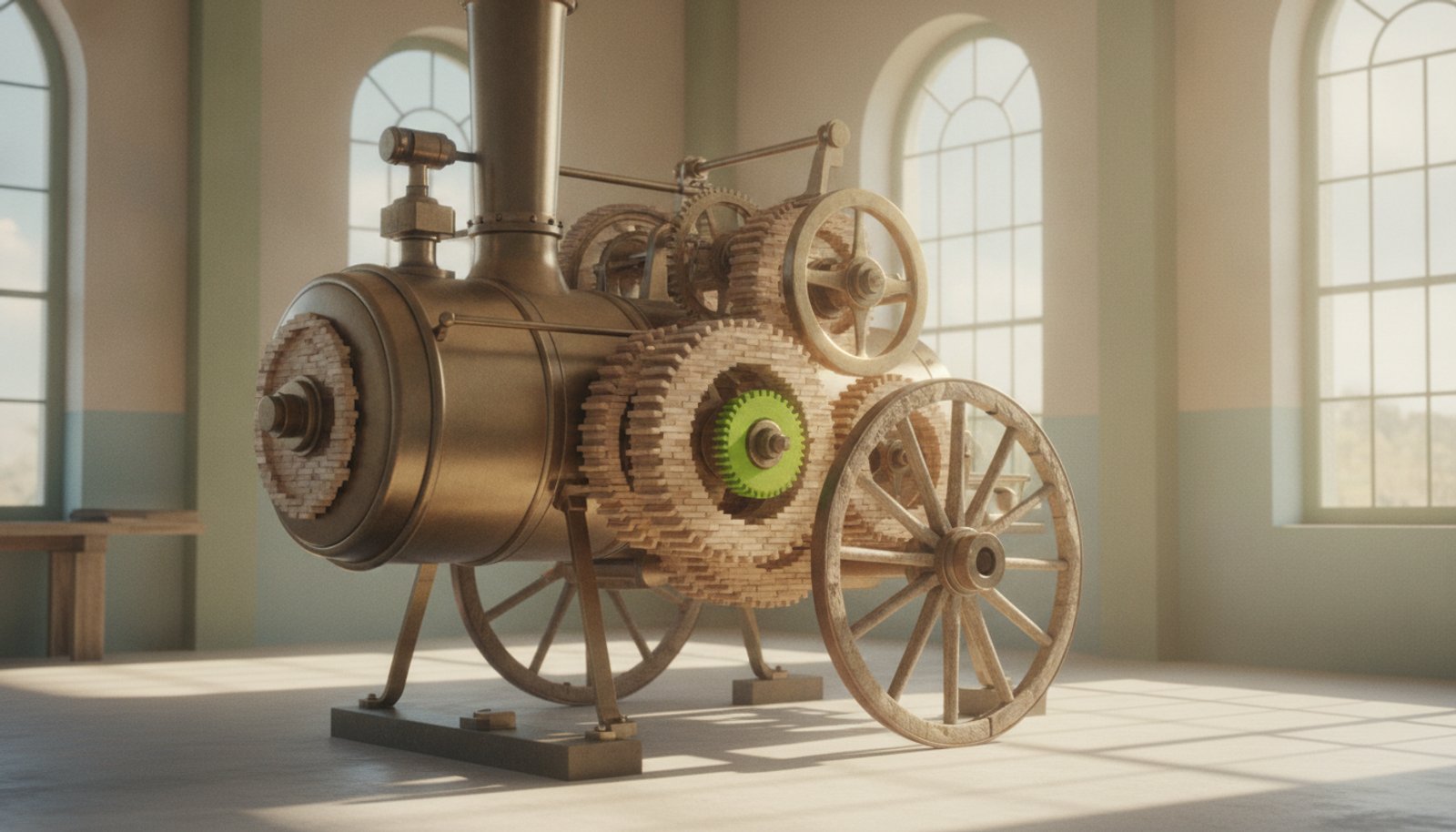
An antique engine whose gears are made of countless identical little wooden blocks, turning a big wheel.

Stock funds: the engine

SPY, VTI, RSP, QQQ, SCHD and VXUS. They're all stocks, but not the same ones or with the same weight. What each one holds.

Stepping stones across a stream, from one bank to a cabin on the other; the first is covered in lime-green moss.

borsisto in five minutes

A short course, chapter by chapter. What borsisto is, where to start and where everything is, almost always with a video of a minute or less.